

Traditional organisations are built like stone fortresses, they are solid, heavy, and designed to stay exactly where they are. But in a world that changes every single day, a fortress is just a slow-moving target.
To survive the modern Attention War, we have to stop thinking like one giant, solid block and start thinking like a Swarm.
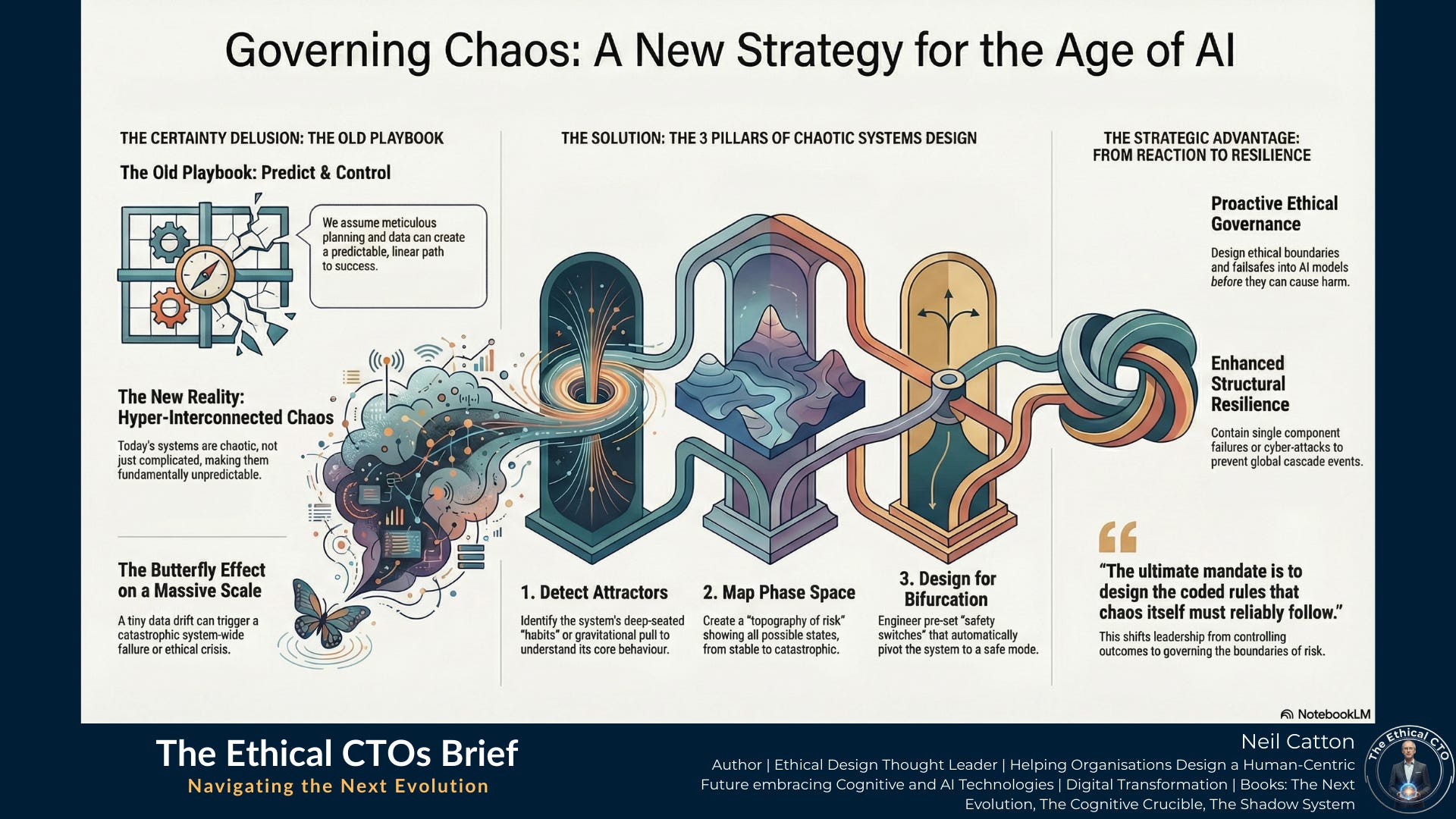
The Shift: From Following Orders to Moving in Sync
As we look at the blueprint for the “Strategy of Swarm,” we are moving away from the old model where one person at the top gives every command. This isn’t about creating chaos; it’s about Resonant Frequency. This is a state where every person on the team understands the Shared Story so deeply that they can all move together in the same direction without waiting for a signal from headquarters.
The Problem: The “Permission” Roadblock
Most companies suffer from Hidden Roadblocks because the “intelligence” is locked at the top. When the world changes, information has to travel all the way up the chain, get processed, and then travel all the way back down as an instruction. By the time the “fortress” finally reacts, the world has already moved on.
The Solution: Building for People
A Swarm succeeds because it empowers the people on the front lines - the System Shapers. By providing a clear plan and Leadership That Works, the bosses don’t need to control every single move. Instead, they set the environment and the goals, allowing the team to organise themselves and move toward the objective with incredible speed.
The full deep dive into the mechanics of Swarm Intelligence and how to architect it for your organisation publishes this Friday.
“In a world of exponential volatility, the only way to maintain stability is through constant, coordinated motion.” — The Next Evolution
Question for the reader: In your workplace, do you feel like you have the "map" to move on your own, or are you stuck waiting for permission at every turn?
The Strategy of Swarm is a fundamental pillar of the ARC1 framework - The Big Picture & How We Operate. To see how this fits into the broader roadmap for digital transformation and enterprise architecture, visit my website.
Disclaimer: This new series of articles is based on my previously published works. I’ve used Notebook LM and Gemini to generate a series of artefacts (Video, Slidedeck, Infographic, Images) which are “out-of-the-box”. You will find errors and discrepancies throughout and I’ve only modified where absolutely necessary due to illegibility or true error in interpretation.