

The way most companies handle sustainability today is broken. For many, it has become a “check-the-box” exercise, a thin layer of digital paint applied to a crumbling structure. We often treat social and environmental goals as a legal burden rather than what they actually are: the Trust Infrastructure of a modern business.
To move from Building by Accident to Building on Purpose, we have to stop seeing sustainability as a side project and start seeing it as a core requirement for how we build everything.
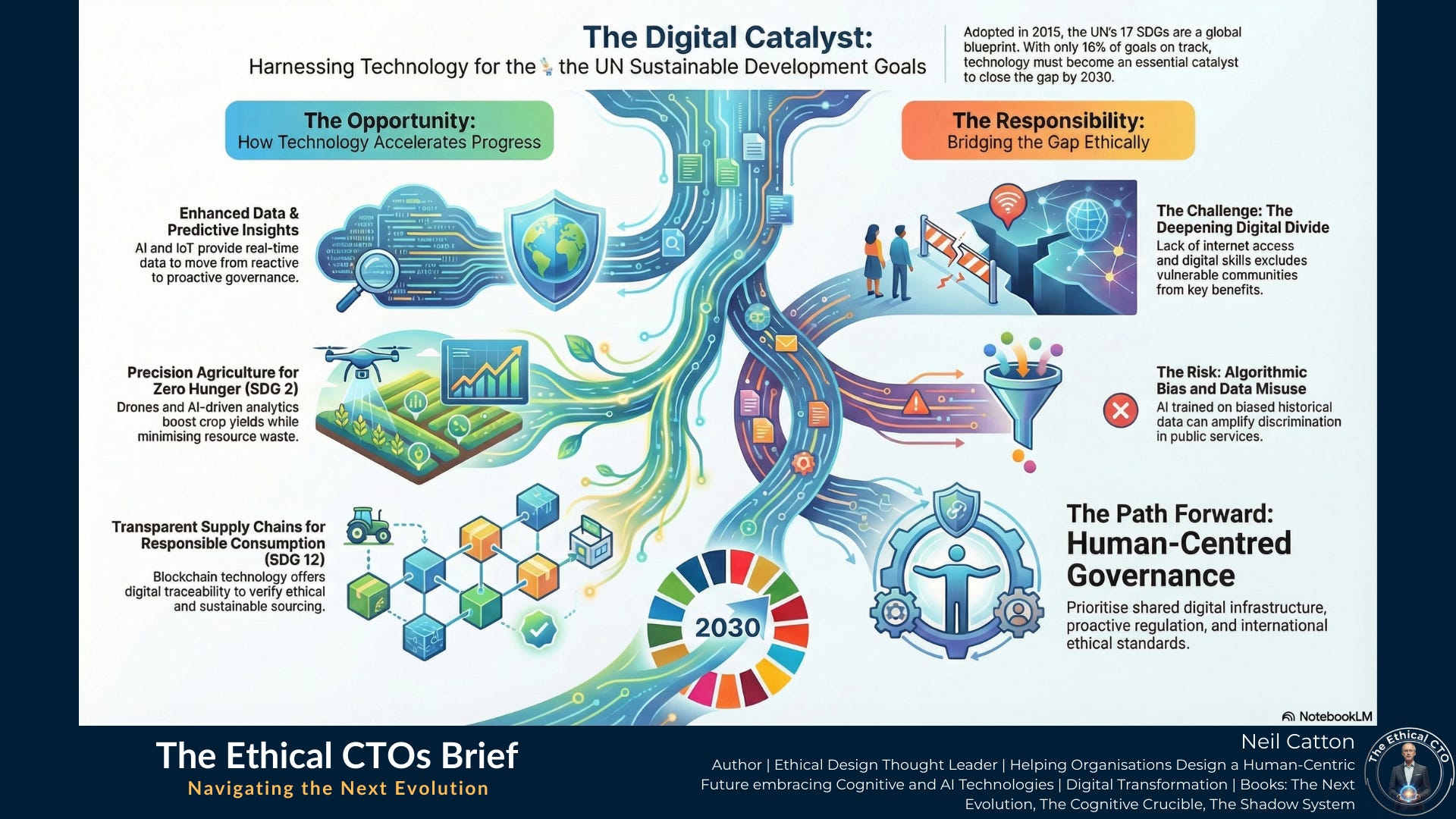
The Map to Building with Integrity
True sustainability isn’t found in a spreadsheet; it’s built by making sure three key areas of your business are perfectly aligned:
Choosing Better Ingredients Sustainability starts before you ever create a product. It requires making sure every “ingredient”, from the data you use to the raw materials you buy, meets a clear ethical standard. This is about ensuring your foundation is solid before you start building.
Smoothing Out the Process Friction is waste. When a system is messy or confusing, it leads to burnout and wasted resources. By Getting Your Timing Right, you can sync up how fast your business moves with the positive impact you want to have on society. This removes the “noise” and stress that causes systems to fail.
Delivering Real Value The final result must be in sync with the long-term health of our world. We achieve Leadership That Works when the value we give to a customer is perfectly aligned with the health of our environment and our communities.
The full deep dive into how to move beyond the “Compliance Trap” and audit your organisation for true systemic integrity publishes this Friday at 10 AM.
“Sustainability is not a feature you add to a system; it is the integrity of the system itself.” — The Human Nexus
Question for the reader: Does your organisation view sustainability as a mountain of paperwork to climb, or is it the foundation of how you actually design your products?
The “Driving Sustainable Development” framework is a key component of ARC1: Architecting for Executive Coherence. You can explore the broader methodology and my previous briefs on building a human-centric future on my website.
Disclaimer: This new series of articles is based on my previously published works. I’ve used Notebook LM and Gemini to generate a series of artefacts (Video, Slidedeck, Infographic, Images) which are “out-of-the-box”. You will find errors and discrepancies throughout and I’ve only modified where absolutely necessary due to illegibility or true error in interpretation.